

Table of Content
- Different Types of SEO
- What is On Page SEO?
- What is Off Page SEO?
- What is Technical SEO?
- What is the difference between On-Page SEO and Off-Page SEO?
- What is the Difference Between Technical SEO and On-Page SEO?
- What is the Difference Between Off-Page and Technical SEO?
- Using All Three Types of SEO to Craft Perfect Strategy
- Frequently Asked Questions
- Conclusion
You will be surprised to know that over 90% of online experiences begin with a search engine! Google dominates the scene with more than 79% of the global market share.
With such staggering numbers, it's obvious that ranking high on Google is not just beneficial but a crucial step for any business to thrive in this digital world. However, achieving that coveted top spot isn't a game of chance. Instead, it's a strategic process backed by SEO (Search Engine Optimization).
68% of online experiences begin with a search engine. (Source: BrightEdge). These numbers tell us one thing clearly: If you're not optimizing for search engines, you're missing out on massive traffic potential. SEO is the cornerstone of digital visibility, ensuring that your website meets Google's ever-evolving standards and attracts and engages your target audience. And to excel in that, you need to master the three core pillars: On-page SEO, Off-page SEO, and Technical SEO.
In this blog, we'll break down these foundational aspects, explore their differences, and show you how they work together to elevate your online presence.
So, without any further ado, let's get started.
Different Types of SEO
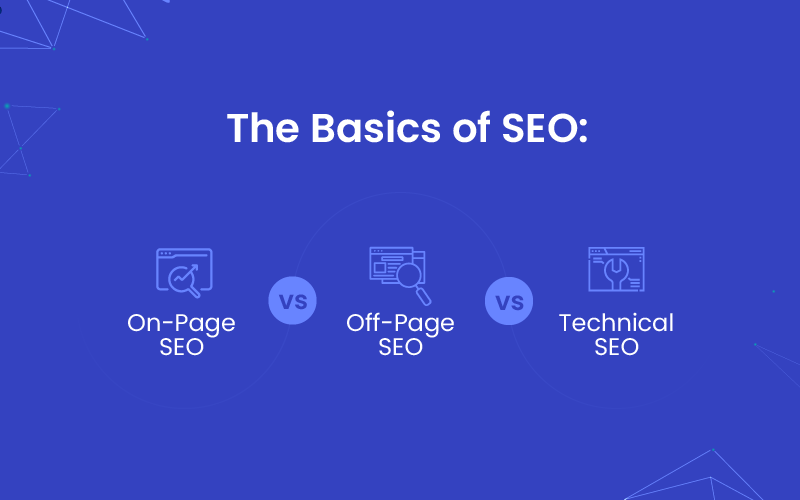
While there are various types of SEO methods available, the three main types are:
- On Page SEO
- Off Page SEO
- Technical SEO
We will go through each type of SEO, and their primary elements ahead.
What is On Page SEO?
On-page SEO is where the magic happens. It’s all about optimizing your content and structure to rank higher and get more relevant traffic.
Here’s why it’s a game-changer:
- It helps search engines understand your content.
- Align your pages with what users are searching for.
- Drives more clicks, engagement, and conversions.
On-page SEO is like fine-tuning a machine. When done right, it doesn’t just improve rankings—it creates a better experience for your visitors. Want results? Start with a rock-solid on-page SEO strategy. AONE is known for implementing a strong on-page SEO strategy that gets more clicks, engagement and more conversions, connecting with the best SEO company in Dubai.
Elements of On Page SEO
Content Quality
Creating high-quality, engaging content with naturally integrated keywords is essential. The content should be original and valuable and include all relevant keywords seamlessly. Additionally, using headings and subheadings helps organize and structure the content effectively.
Meta Title Tags
Title tags play an essential role for both search engines and users. So, it is important to create concise, descriptive titles while adding primary keywords at the beginning. The title should also be within the 55-70 character range.
A well-crafted meta title is a game-changer. While hidden on your page, it’s front and center on SERPs, influencing clicks. Fun fact: 57% of users decide to click based on the meta title alone.
Example: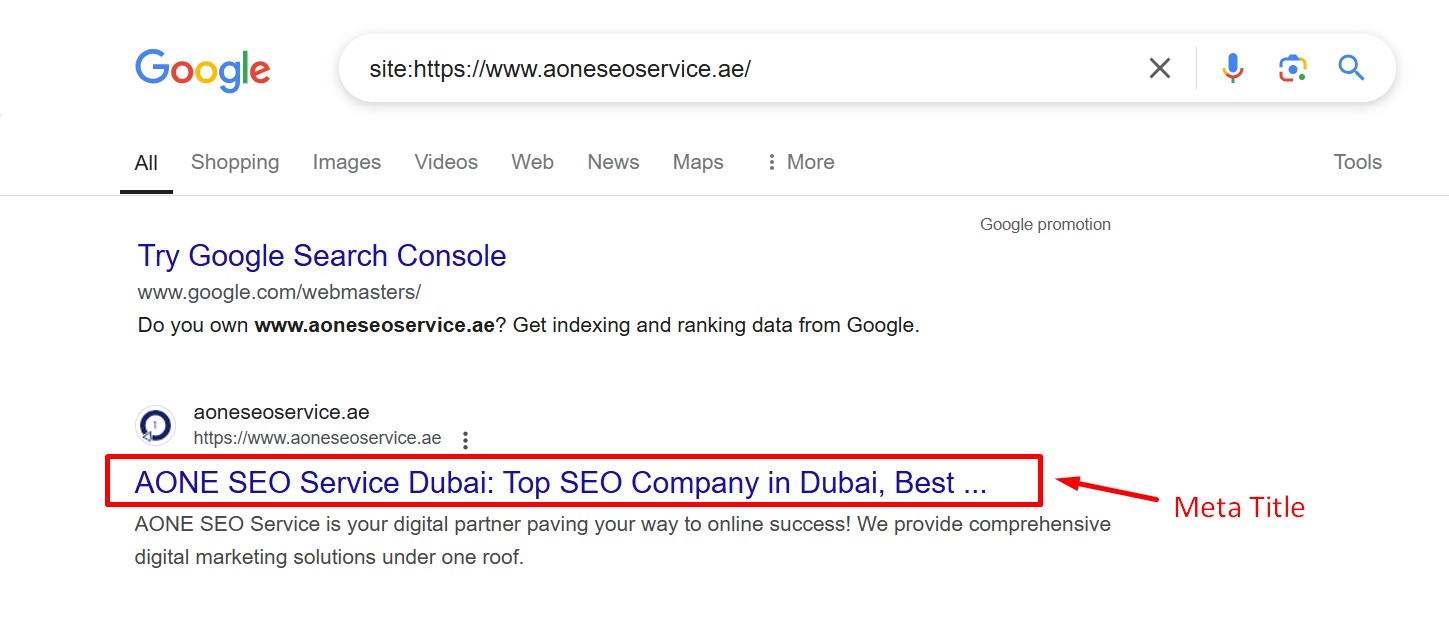
As you see the meta title visible in Google’s SERP, the visible title is the same as given on the website. Google can change the title on SERP based on the overall page and content intent.
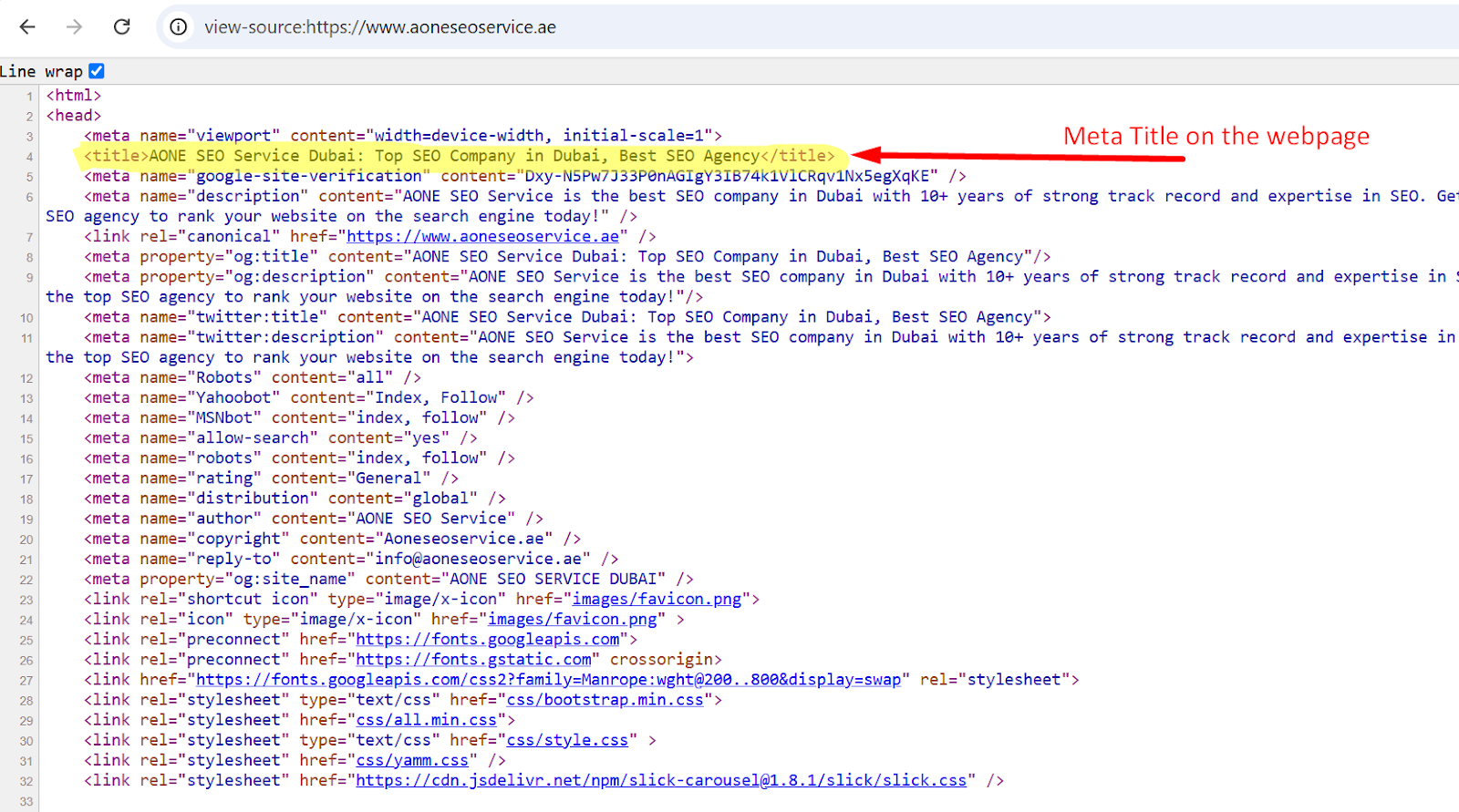
Same meta title on the webpage source code
Meta Description
A meta description provides brief information about a page's content. So, it is important to write unique and compelling descriptions that are between 145 and 160 characters, incorporating keywords to improve click-through rates.
Header Tags
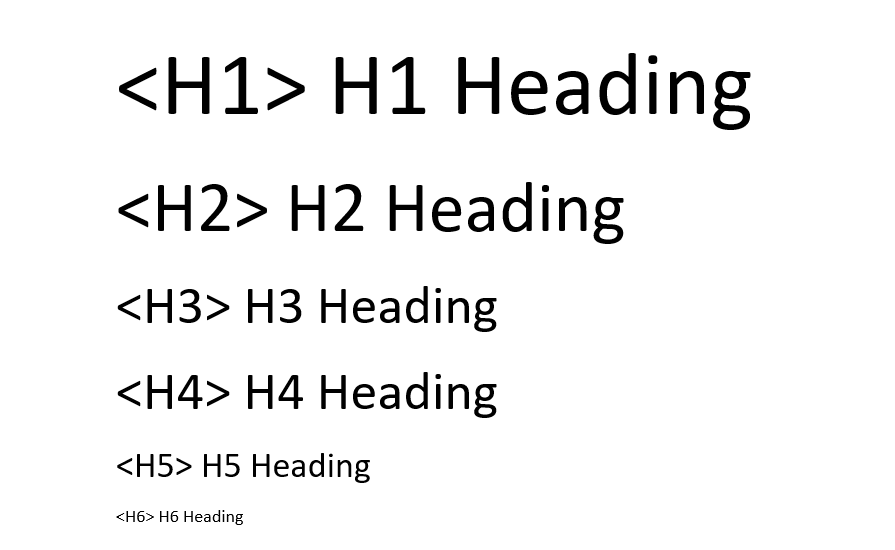
Header tags, such as H1, H2, and H3, are used to structure content hierarchy. These tags enhance user readability and help search engines interpret the organization of the information on a page.
URL Structure
URL should be clear and descriptive and include relevant keywords. It's also advisable to avoid long URLs and the use of special characters.
In addition to these elements, on-page SEO includes URL structure, internal linking, image optimization, and more.
What is Off Page SEO?
Off-page SEO is everything that happens off your website to boost your rankings. It’s about building trust, authority, and credibility through external factors.
Here’s what makes it crucial:
- Backlinks: Securing high-quality links from trusted websites signals search engines that your content is valuable.
- Social Signals: Social media marketing and brand mentions amplify your online presence.
- Reputation Building: Strengthens your brand’s authority and improves search rankings.
Think of off-page SEO as networking for your website. The more credible connections you have, the better your site performs. When done right, it’s a powerful way to complement your on-page efforts and dominate the search results.
Elements of Off Page SEO
Backlinks
Backlinks are links from other websites pointing to your site, which search engines view as endorsements. High-quality backlinks are a sign of credibility and authority. To gain maximum impact, it's important to secure backlinks from reputable websites within the niche.
Social Media Marketing
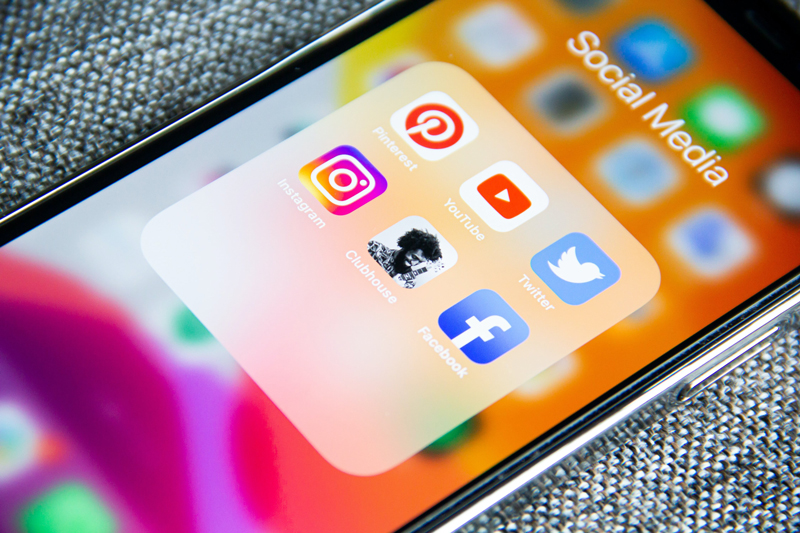
Boost traffic and amplify brand awareness through strategic social media marketing. By actively engaging with your target audience across diverse platforms, you can spark shares, likes, and comments that indirectly boost your website's overall rankings. This constant interaction builds authority and fosters meaningful connections, driving long-term engagement and visibility.
Brand Mentions
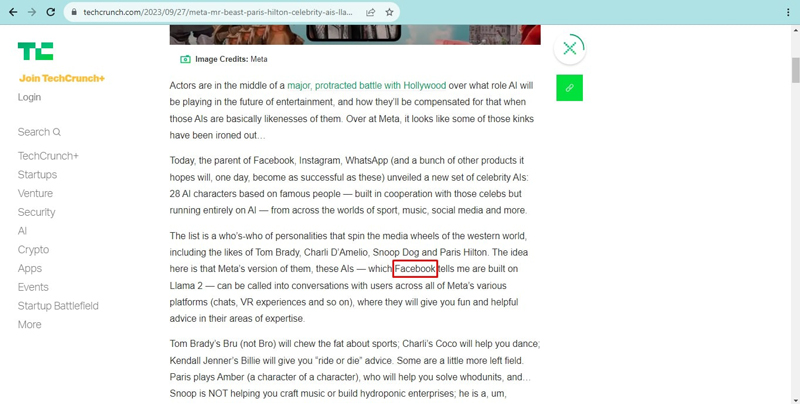
Brand mentions happen when your website or brand is referenced on other platforms without a direct hyperlink. These mentions can hype up your SEO efforts, as search engines monitor them closely, using them as indicators of your site's credibility.
Reputation Management
Online reputation is a valuable asset that builds trust and credibility. Platforms like Google My Business and Yelp often act as a customer's first impression, making it vital to monitor your presence. So, encourage positive reviews and address negative feedback promptly with professionalism and empathy.
Guest Blogging
Guest blogging is a powerful strategy to amplify your brand's reach and authority. By publishing high-quality and insightful blogs on reputable websites within your niche, you gain valuable exposure to a wider audience and secure authoritative backlinks that boost your search engine rankings.
Apart from all these elements, off-page SEO also includes social sharing, outreach, content marketing, quora posting, and more.
What is Technical SEO?
Technical SEO is the foundation of a high-performing website. It’s all about making your site fast, mobile-friendly, and easy for search engines to crawl and index.
Here’s why it matters:
- A well-optimized site boosts your rankings and improves user experience.
- It ensures search engines can access your content effortlessly.
- Faster load times = happier visitors = better results.
Think of Technical SEO as the engine of your website. Without it, even the best content won’t get you far. Nail this, and you’re setting your site up for long-term SEO success.
Elements of Technical SEO
Website Speed
Website speed is critical in capturing user attention and ensuring they stay engaged. A fast-loading site elevates user experience and boosts search engine rankings. Leverage tools like Google PageSpeed Insights to pinpoint and resolve speed issues, delivering a seamless and efficient browsing experience.
Mobile-Friendliness
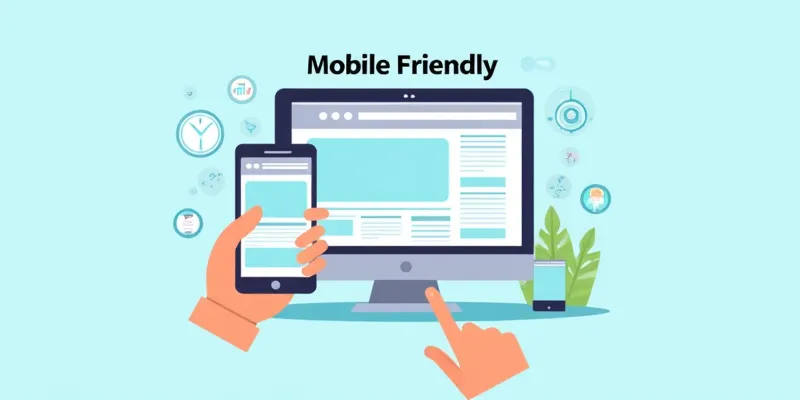
Your website should offer seamless responsiveness and effortless navigation on mobile devices. Use Google's Mobile-Friendly Test to ensure the website meets mobile usability standards and delivers a superior experience for users on the go.
Crawlability
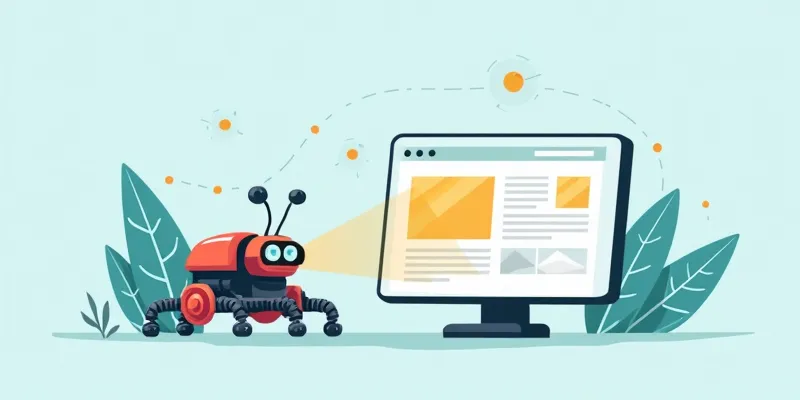
Optimize your website so that search engines can crawl efficiently. Utilize Robots.txt files to guide search engine bots effectively. Create an XML sitemap to ensure they can discover and index your content seamlessly.
Fixing Broken Links
Regularly check and resolve broken links to maintain a smooth user experience and protect your search engine rankings from potential harm.
Structured Data
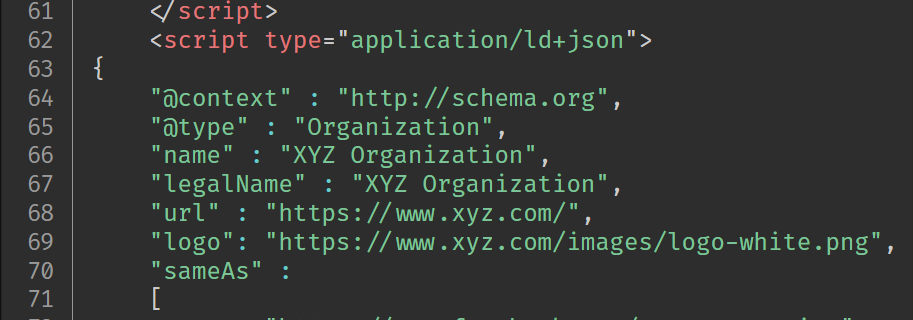
Implementing schema markup helps search engines better understand your content. It enhances search results with rich snippets that can significantly improve click-through rates and visibility.
In addition to these elements, technical SEO also includes canonical tags, URL structure, SSL Certificates, and more.
What is the difference between On-Page SEO and Off-Page SEO?
Now that you know everything about on-page and off-page SEO and its elements, it's time to understand the difference between the two.
| On-Page | Off-Page | |
|---|---|---|
| Scope of Optimization | Title tags, meta descriptions, content quality, internal links | Backlinks, brand mentions, outreach, online reputation |
| Direct Control | High: You have full control over these factors | Medium to low: Relies on external sources |
| Primary Goal | Optimize the content and structure to improve the site’s visibility, relevance, and user experience | Build site’s authority and credibility through backlinks, outreach, and brand mentions |
| Tools Required | SEO plugins, content management systems (CMS) | Outreach tools, relationship-building strategies |
What is the Difference Between Technical SEO and On-Page SEO?
Have a look at the differences between technical SEO and on-page SEO.
| Technical SEO | On-Page SEO | |
|---|---|---|
| Scope of Optimization | Website infrastructure | Content and user experience |
| Elements | XML sitemaps, Robots.txt, site speed | Keywords, meta description, headers |
| Relevance | Improves crawlability and indexability | Enhances page relevancy for specific keywords |
| Goals | Ensure proper site performance and accessibility | Increase engagement and reduce bounce rates |
What is the Difference Between Off-Page and Technical SEO?
| Technical SEO | Off-page SEO | |
|---|---|---|
| Scope of Optimization | Website infrastructure | Backlink building |
| Elements | XML sitemaps, Robots.txt, site speed | Guest blogging, influencer marketing, brand mentions |
| Relevance | Improves crawlability and indexability | Acquiring high-quality backlinks & improve online reputation |
| Goals | Ensure proper site performance and accessibility | Boosts website's authority and credibility |
Using All Three Types of SEO to Craft Perfect Strategy
A successful SEO strategy combines on-page, off-page, and technical SEO for comprehensive optimization.
On-page SEO optimized content and HTML elements by focusing on keywords in title tags, meta descriptions, and headers. It also creates high-quality content that matches user intent and uses internal links for better navigation.
Off-page SEO builds credibility through high-quality backlinks, social media marketing, and guest posting, boosting the site’s visibility.
Technical SEO ensures a strong base with a mobile-friendly design, fast loading speed, secure HTTPS, and reliable hosting.
Ultimately, you can continuously refine and strengthen your SEO efforts by incorporating these tactics and regularly analyzing performance with tools like Google Analytics.
Frequently Asked Questions
Q1: Which type of SEO is most important in 2025?
Think of SEO like a three-legged stool – it needs all legs to stand properly. Technical SEO creates the foundation, on-page SEO optimizes your content, and off-page SEO builds your authority. You need all three, but start with technical SEO to ensure your site can be properly crawled and indexed.
Q2: How long does it take to see results from SEO?
While there's no magic timeline, most websites start seeing initial improvements within 3-6 months. However, significant results typically show up after 6-12 months of consistent optimization across all three SEO types. The key is patience and persistence.
Q3: What's the biggest SEO mistakes businesses make?
The most common mistake is focusing too much on just one type of SEO. For example, many businesses pour resources into content creation (on-page SEO) while neglecting technical issues like site speed or mobile optimization. Remember: Your SEO is only as strong as your weakest element.
Q4: Can I do all types of SEO myself?
While it's possible to handle basic SEO tasks yourself, each type requires different expertise. Technical SEO often needs development skills, on-page SEO requires content expertise, and off-page SEO needs relationship-building abilities. Many businesses choose to outsource aspects of SEOs to an SEO agency that has a reputation and good track record.
Conclusion
Ready to Dominate Search Rankings?
Don't let your competitors outrank you. At AONE SEO Service Dubai, we've helped over thousands of businesses achieve:
- 3x increase in organic traffic within 6 months
- 65% improvement in conversion rates
- Top 3 rankings for competitive keywords
- 40% reduction in bounce rates
with our professional SEO services in Dubai.
Drop us message 📃 here –Contact Us.
📞 Call us now at +971 58 564 1811 or drop us an email at info@aoneseoservice.ae
Trust the agency that delivers results. See why we're rated 4.9/5 by over 100 satisfied clients in Dubai.