

Table of Content
- Why SEO for E-commerce in the UAE Is Not the Same as Other Markets
- How Customers in the UAE Actually Search Before Buying Online
- Core SEO Pillars for UAE E-commerce Websites
- Technical SEO Challenges Common in UAE E-commerce Stores
- On-Page SEO Reality for Product and Category Pages
- Off-Page SEO and Trust Signals in the UAE Market
- Does Local SEO Matter for E-commerce in the UAE?
- How to Measure SEO Success for UAE E-commerce Brands
- Conclusion
SEO (Search Engine Optimisation) for e-commerce essentially means optimising an online store to make it rank higher in search results for products and categories. SEO for normal websites aims to rank higher on search engines, while SEO for e-commerce website focuses on transactional intent and attracting people to purchase products or services.
You might think that SEO is universal, but that is not the case at all. Take the UAE, for example. It is a diverse, multilingual, and multicultural country. Thus, the kind of keywords that you would use in SEO for other countries might not work here.
In this blog, we will go in-depth on why SEO for e-commerce in the UAE differs from other markets, what makes it unique, which strategies to use to rank your content higher in the UAE, and more.
Why SEO for E-commerce in the UAE Is Not the Same as Other Markets
Dubai, the largest and most populous city in the UAE, is home to people from over 200 countries, and expatriates make up approximately 92% of the total population in 2025. This means your target audience speaks multiple languages, not just English and Arabic, but also Hindi, Urdu, Tagalog, Farsi, and more. Thus, the UAE is a diverse, multilingual, and multicultural country.
So, how do you make an effective SEO for e-commerce stores to reach a wider audience? Before answering that question, we need to understand how people in the UAE actually search.
How Customers in the UAE Actually Search Before Buying Online
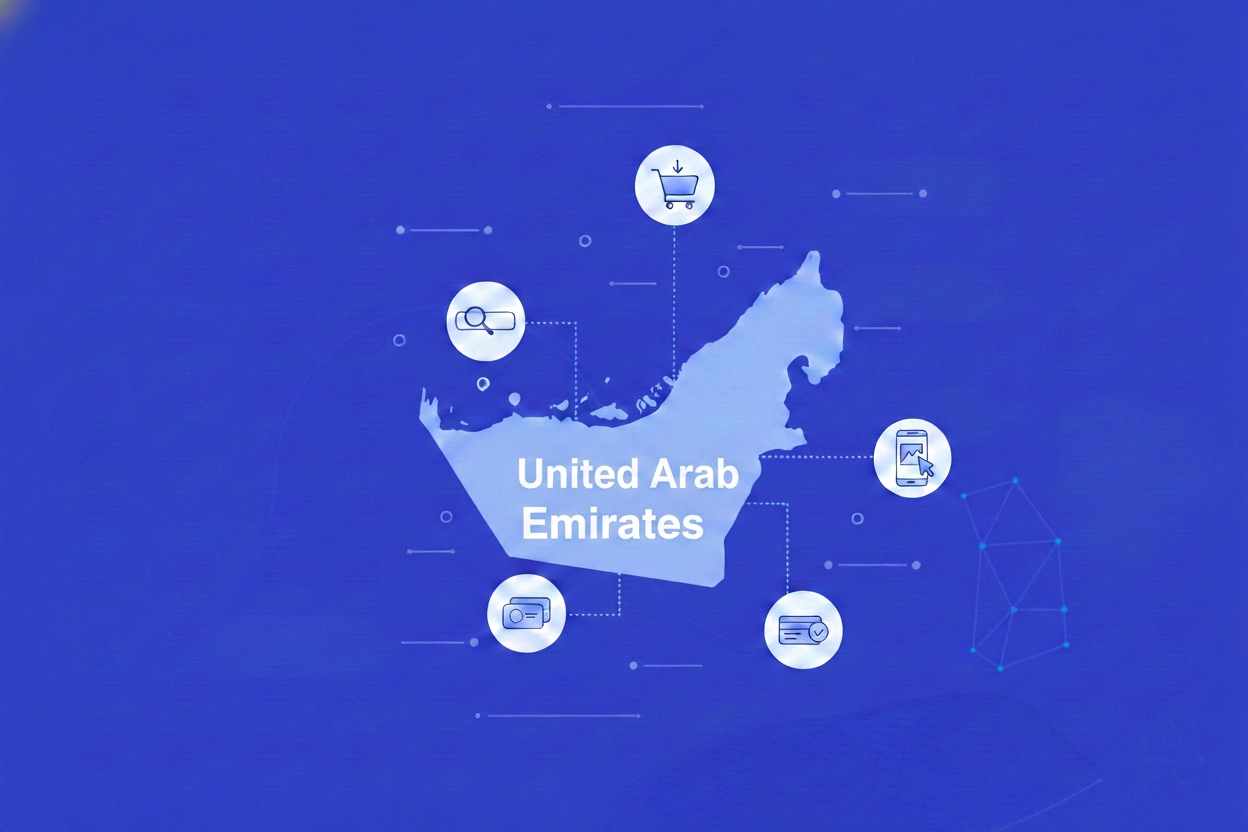
Customers with different first languages would not search online in the same way. It is important to understand the behaviour of your audience if you are going to make a strategy regarding SEO for e-commerce business.
For example, an English speaker would search “mechanic near Dubai Marina” and an Arabic speaker would search “ميكانيكي في دبي” (mechanic in Dubai). Do you notice the difference? An English speaker would prioritise locality, while an Arabic speaker is not concerned with that. This is just a small example of how vastly different the search queries of two speakers are in the UAE; now imagine this for more than 10 languages!
Core SEO Pillars for UAE E-commerce Websites
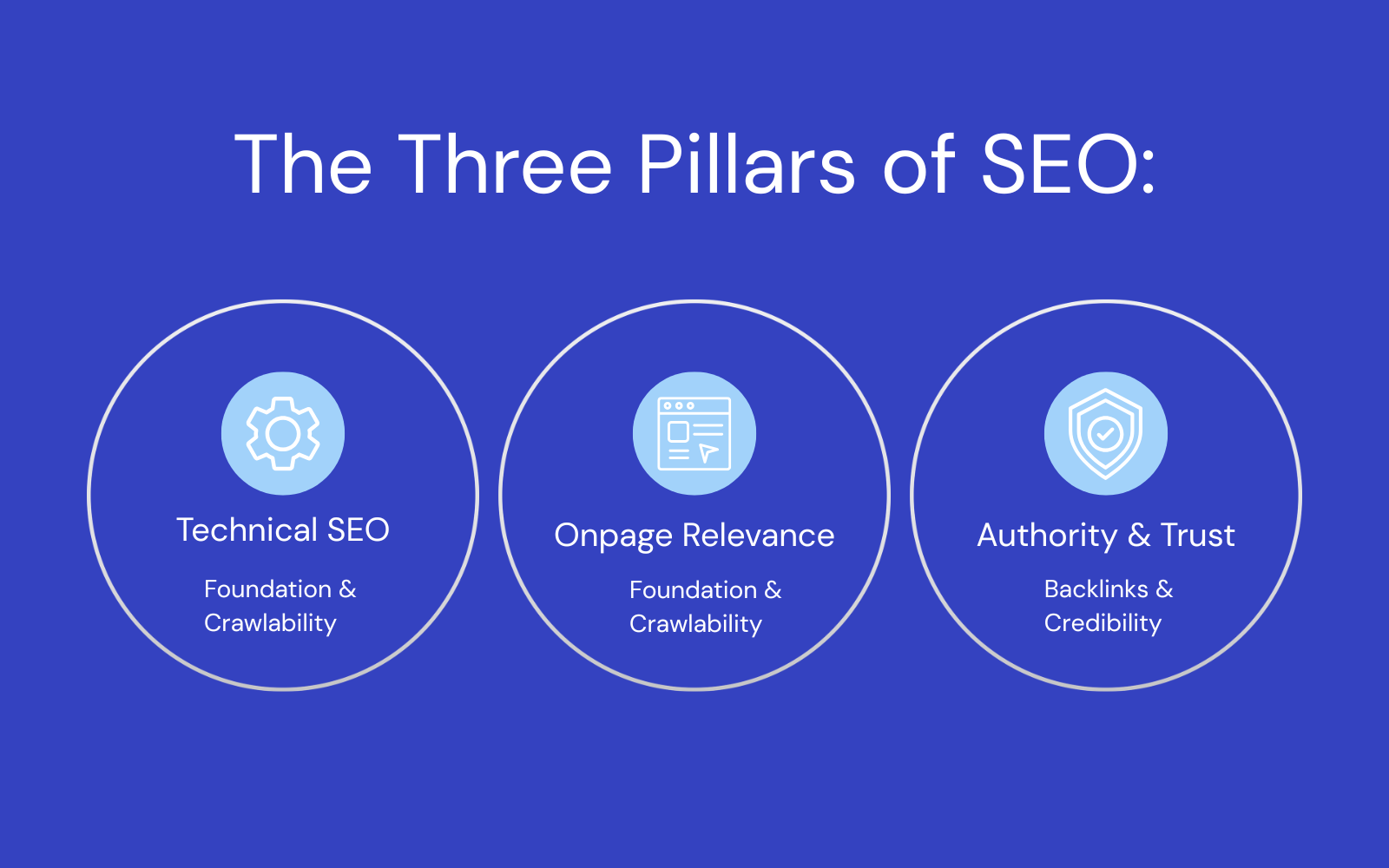
There are three core pillars for SEO for e-commerce sites:
Technical SEO Foundation
Technical SEO basically refers to all the technical aspects of a website. It includes everything from designing to coding. It is crucial that all of these elements be properly implemented to rank higher in search results.
- Loading Speeds: According to the UAE’s Telecommunications Regulatory Authority (TRA), 95% of users browse on their smartphones. If your loading speeds take longer than 3 seconds, users will move to a different website.
- Clean User Interface: Make sure that your website has a good overall design and simple navigation to retain customers and boost customer satisfaction.
- Mobile-Friendly Website: Having a mobile-friendly website means you will be able to reach a wider audience, especially the younger generation (Millennials and Gen Z).
- Crawlability & Indexing: If your indexing is not proper, search bots might not be able to properly crawl your website. Submit XML sitemaps, monitor crawl errors, and do not forget to fix broken links.
- HTTPS: Search engines like Google prefer websites that have proper security protocols (HTTPS) and rank them higher in the search results.
On-Page Relevance
The content on your page must align with your keywords and brand image for SEO for e-commerce product pages. The titles, tags, and meta descriptions should be proper and include the necessary keywords naturally. For e-commerce websites, the product descriptions must be unique and engaging. Ensure that the content is properly formatted (H1, H2, H3 headings). If you have images on your page, add alternative text (alt text) to them, use compressed images to improve loading times, and optimise file names. You can even improve navigation and SEO signals by linking related products and blog posts.
Authority and Trust Signals
If your website has a higher authority, it is most likely going to rank very high in the search results. The authority of a website increases when other websites with authority refer to or link to it on their websites. For example, if your website is mentioned (linked) in a blog on the Forbes website, the authority of your website is going to get a significant boost.
Trust signal refers to the trust that your previous customers or clients have shown. For example, reviews, testimonials, badges and certificates from credible institutes can make your website look more trustworthy to potential customers. Trust signals are also key elements in off-page SEO for e-commerce.
Technical SEO Challenges Common in UAE E-commerce Stores
Even with well-thought-out strategies, many SEO specialists are unable to achieve desired results because getting the best out of SEO for e-commerce shops in the UAE is not an easy feat. Let’s take a look at some of the most common SEO challenges:
Crawl Budget and Large Product Catalogues
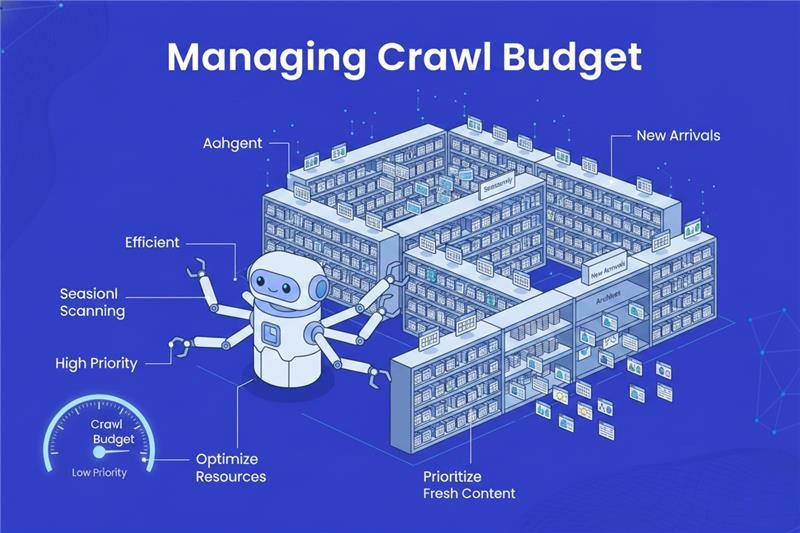
Every website gets a specific “crawl budget” from Google - the number of URLs the Googlebot will crawl regularly. If there are too many URLs on your page, some important pages might not be crawled that often.
This can easily happen on e-commerce stores in the UAE, as they may have a huge catalogue of products as well as seasonal items during Ramadan and other festivals. As a result, indexing is slow, and rankings are affected.
Faceted Navigation and Filter Indexation
Having too many filters on your product pages can lead to tens of thousands of near-duplicate URLs because each filter combination often creates a new URL. Due to this, Googlebot cannot understand which page is the “main page”, and the category pages lose their rankings.
Mobile Speed and Core Web Vitals in the UAE
Core web vitals, such as loading speed, interactivity, and visual consistency, are crucial to a good mobile experience. The UAE audience is mobile-first, so slow load times will quickly frustrate them. As a result, you will get higher bounce rates and lower conversion rates.
Indexing Issues with Variants and Duplicate URLs
On e-commerce websites, products usually have variants which often generate separate URLs. This makes Googlebot see them as duplicates because these pages usually have the same description and intent. Thus, proper SEO for e-commerce products is vital in the UAE.
On-Page SEO Reality for Product and Category Pages
On-page SEO for e-commerce website in the UAE is often misunderstood by SEO specialists. They assume that keywords are all they need to rank product pages. SEO for e-commerce websites relies more on search intent, scale, and site structure.
Why Product Pages Rarely Rank on Their Own
Product pages struggle to rank on their own because most people do not search for a specific SKU; instead, they search for product types, brands, and comparisons.
Category Pages vs Product Pages in SEO
| Category Pages | Product Pages |
|---|---|
| They have a broader intent and higher search | They have a specific intent and a limited search |
| volume | volume |
| They have a high, long-term, and stable ranking potential | They have an extremely high, short-term, and volatile ranking potential |
| Their primary goal is to attract traffic | Their primary goal is to convert traffic |
| They consist of content such as intro text, FAQs, and guides | They consist of content such as specifications and features of the product |
Thin Content at Scale and Its Impact
When thousands of product pages use almost the same descriptions or the content is copied from the manufacturer, then the pages do not rank, even though they are indexed.
Off-Page SEO and Trust Signals in the UAE Market
Off-page SEO for e-commerce website consists of:
- Influencer Collaborations: Collaborating with a well-known UAE influencer to review your products.
- Product Reviews: Send your products for review to local UAE bloggers.
- Guest Articles: Publish interesting and useful articles on industry topics.
- PR Campaigns: Utilise product launches and seasonal offers to gain press attention.
- Affiliation: Partner with websites to promote your products in exchange for a commission.
Key elements of trust signal:
- Google reviews
- Reviews on product pages
- Positive reviews on third-party review platforms
- Social media engagement and comments
Having your products in a positive light across various platforms will help improve click-through and conversion rates. Remember that a well-reviewed brand will rank better than a well-optimised brand.
Does Local SEO Matter for E-commerce in the UAE?
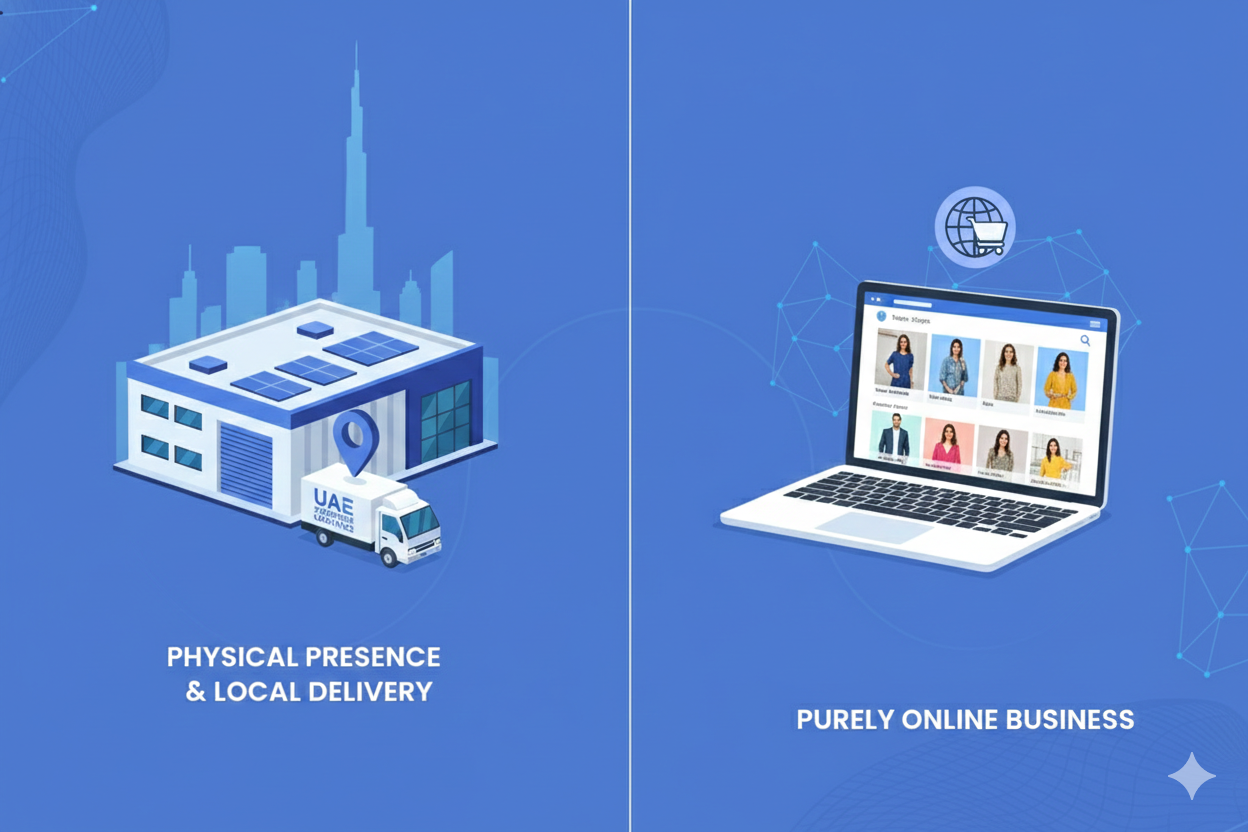
In the UAE, local SEO for e-commerce helps businesses, but only to a limited extent.
Local SEO helps if your business has a physical presence in the UAE, like a showroom or a warehouse. You need to provide special services to a particular locality, like same-day or next-day delivery. It will also work if you operate in high-trust or highly regulated industries such as electronics, healthcare, and luxury goods.
Local SEO would add little to no value to the growth of your business if it is purely online, meaning you do not have a physical store or warehouse. It also won’t work if you don't serve customers differently by location, or if your online traffic depends on category keywords rather than brand searches.
How to Measure SEO Success for UAE E-commerce Brands
You should consider the following factors when measuring SEO success for e-commerce brands in the UAE:
- Organic Traffic Growth
- Ranking of Keywords
- Click-Through Rates
- Bounce Rate
- Average Time Spent by a User on the Website
- Domain and Page Authority
- Number of Pages Indexed by Googlebot
- Local SEO
Conclusion
If you are looking for a reliable ecommerce SEO company in Dubai that understands multilingual search behaviour, mobile-first users, and the real challenges of the UAE market, working with an experienced agency makes a big difference. AONE SEO Service Dubai focuses on practical, data-driven SEO strategies that help e-commerce websites improve visibility, build trust, and generate consistent sales growth in the UAE.