

Table of Content
- Types of SEO
- What is Technical SEO?
- Importance of Technical SEO
- Key Elements of Technical SEO
- Conclusion
Businesses ignore significant issues with their website, especially because of technical SEO issues they don't even know exist.
It's like having a Ferrari with engine problems. Your website might look amazing and have killer content. Still, if the technical foundation is broken, you're not going anywhere fast. This blog will explain technical SEO and its importance to your business success.
The best part? You don't need to be a coding expert to understand this. Whether a startup or an established business, we will explain why technical SEO is the hidden advantage that successful websites use to dominate search rankings (and how you can, too)
Types of SEO
Many types of SEO play a part in creating an SEO strategy per the business's requirements. The types of SEO include
- On Page SEO
- Off Page SEO
- Local SEO
- International SEO
and the list is long.
However, we will discuss technical SEO and its significance in detail here.
What is Technical SEO?
Technical SEO enhances a website's technical elements. It optimizes its infrastructure to ensure search engines can easily index and crawl it. Technical SEO works on a website's technical components, including page speed, site navigation, URLs, sitemaps, and more.
Let's frame it in simpler words:
For instance, if you own a restaurant that delivers lip-smacking food and has a fascinating interior, it takes ages for your food to arrive. Thai agitates the customer, leading to disappointment. Similarly, if your website has great content and design but loads at a turtle's speed, users will get frustrated and leave the page.
Therefore, it is crucial to have a technically optimized website to attract organic traffic, make the website user-friendly, and make it more accessible for visitors and search engines. But what makes technical SEO an integral aspect of the realm of SEO? Let's crawl to know more.
Importance of Technical SEO
Technical SEO refers to optimizing the website's technical aspects so search engine spiders can find, understand, and index the site's content. This leads to increased organic traffic, more potential customers, improved visibility, and ensures its security for visitors.
Here's a breakdown of why technical SEO is important.
Higher Ranking in Search Results
Technical SEO, with the help of using relevant keywords in your URL and content, makes it easy for search engines to understand your web page's topic. This improves the chances of ranking higher in search results. Moreover, high-quality backlink building is vital in escalating your site's rankings and authority.
Faster Website Loading Times
“The bounce rate increases by 32% when the loading time exceeds two seconds.”
- According to Google
So, it is mandatory to keep technical SEO at the forefront and utilize tools, including TinyPNG and ImageOptim, to compress image size without compromising quality. Search engines prioritize fast-loading websites, so improving your website's speed can boost your rankings.
More Website Visitors

Using technical seo leverages your online presence. It acknowledges and addresses issues such as site structure, website speed, and mobile friendliness so that your site's ranking in SERPs. Once your site gets its ranking on the search results page, it leads to more visitors and organic traffic.
Increased Sales and Leads

It's mobile-friendly when a website doesn't take light years to load. It gives a seamless user experience so that the website is technically optimized. It hooks your visitors to explore your site's content. A faster, more user-friendly website can lead to higher conversion rates and, in turn, increased sales.
Better Website Performance

A website performs better when its technical SEO is in place. A site that functions well on the laptop and isn't mobile-friendly cannot reach a wider audience. So technical SEO ensures your site is mobile-friendly and provides a positive user experience. Technical SEO reduces bounce rates and optimizes website loading speeds, improving user satisfaction.
Now, let's dig deeper into what other things matter to enhance the website performance of technical SEO.
Key Elements of Technical SEO

Technical SEO isn't just indexing and crawling. Therefore, to improve your site's technical optimization, you need to take into account these key elements:
Website Structure

A poorly designed site structure can cause many indexing and crawling issues. So, a site structure is the initial and most crucial step of technical SEO. Site structure influences everything that you do to optimize your site. Hence, having a robust structure makes technical SEO tasks much easier.
Crawlability

If search engines can't find your content, they can't index it. Hence, crawlability is essential to technical SEO, determining whether search engine crawlers can discover your site's content.
URL Structure

A page URL plays a significant role in SEO. Add relevant keywords to ensure your URL structures are clean, short, and sweet. A URL structure that's easy to read and understand helps the users and search engines to see what a page is about.
Page Speed
The time it takes is equally proportional to the user's willingness and patience to wait. Many tools, like Google's PageSpeed Insights, quickly analyze your website's speed and recommend fixing any issues.
Mobile Optimization
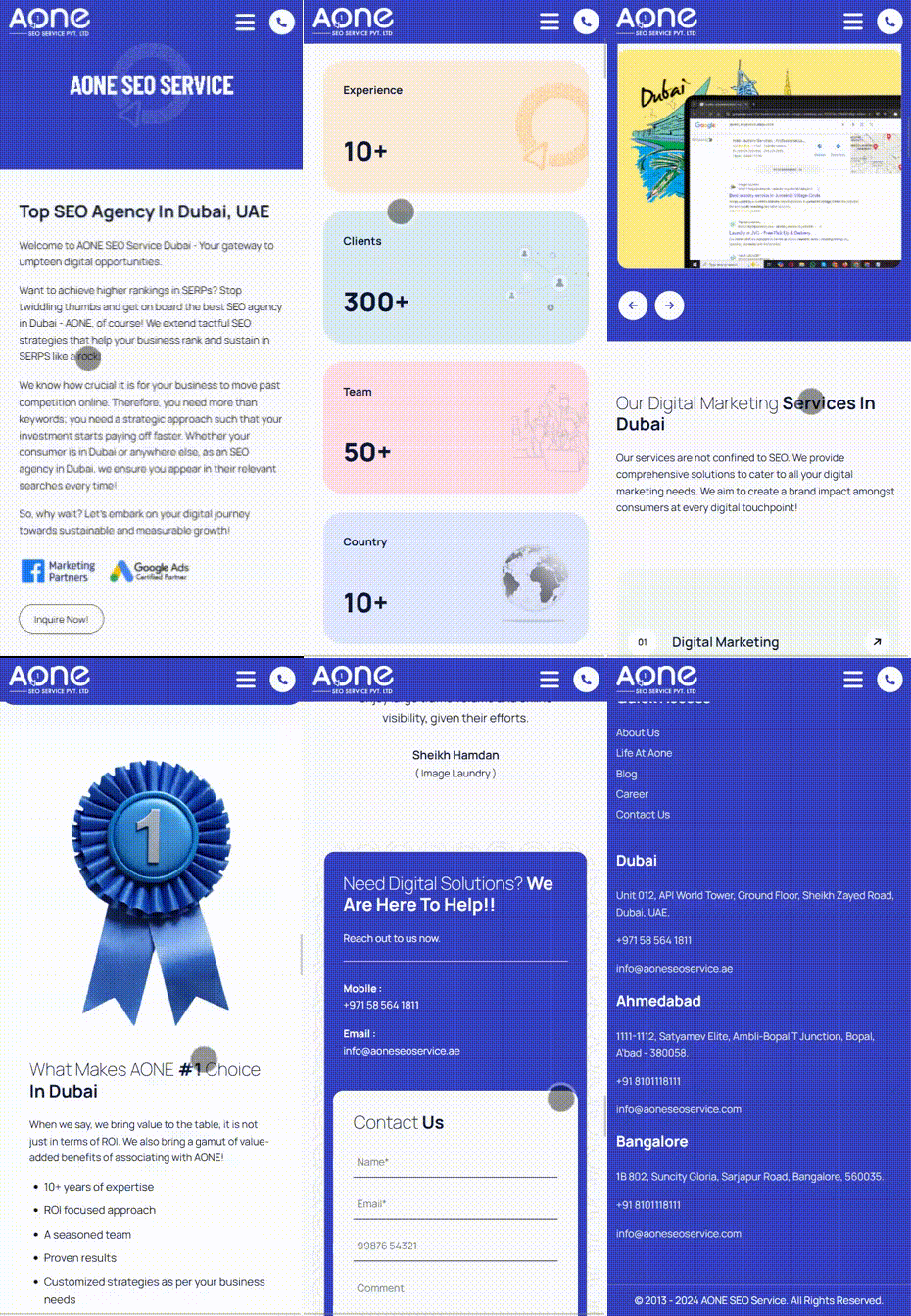
The majority of website traffic occurs from a mobile device. So, a site optimized for mobile devices is needed, as it helps boost SEO rankings and delivers a better user experience.
HTTPS Security
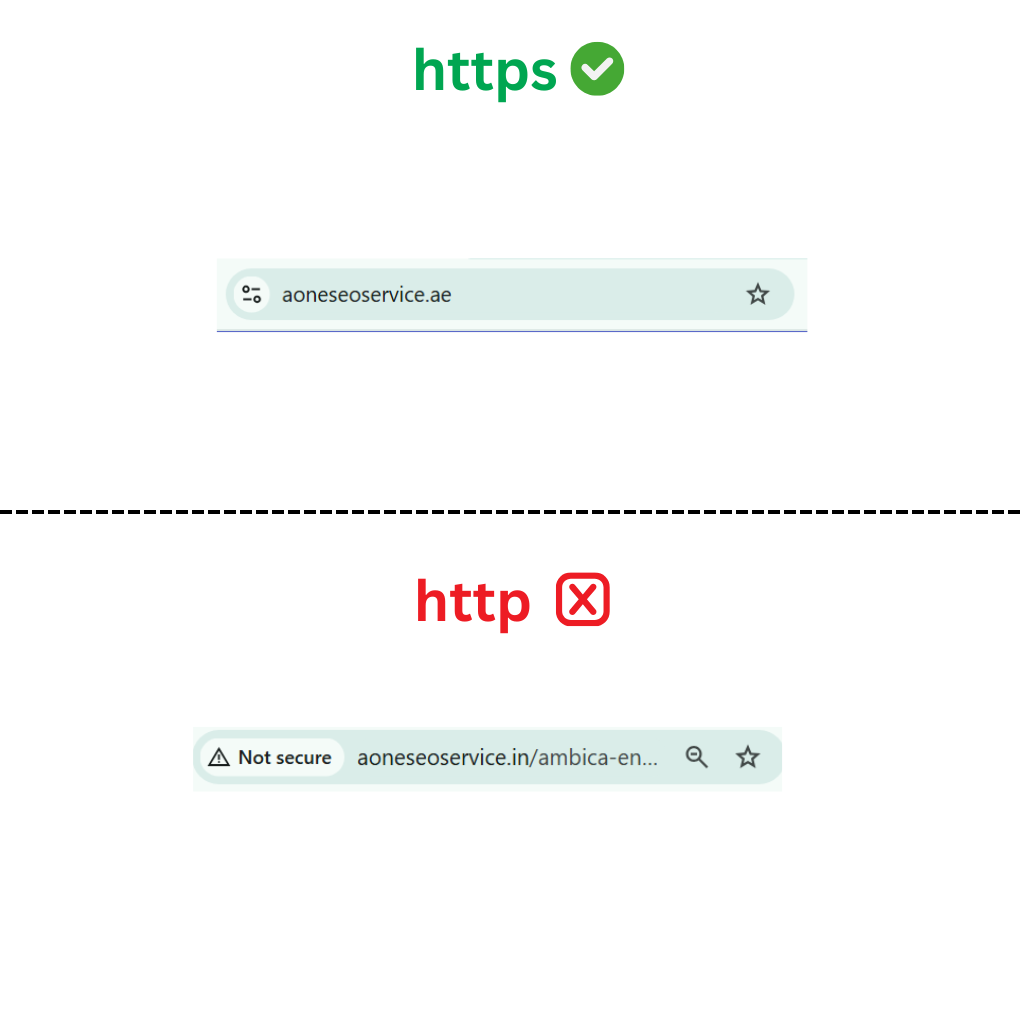
HTTPS security is a crucial element that is an improvised version of HTTP. It encrypts information exchange with websites. It protects sensitive information from being compromised. Implementing HTTPS enhances your website's security, performance, and overall SEO visibility.
Redirection
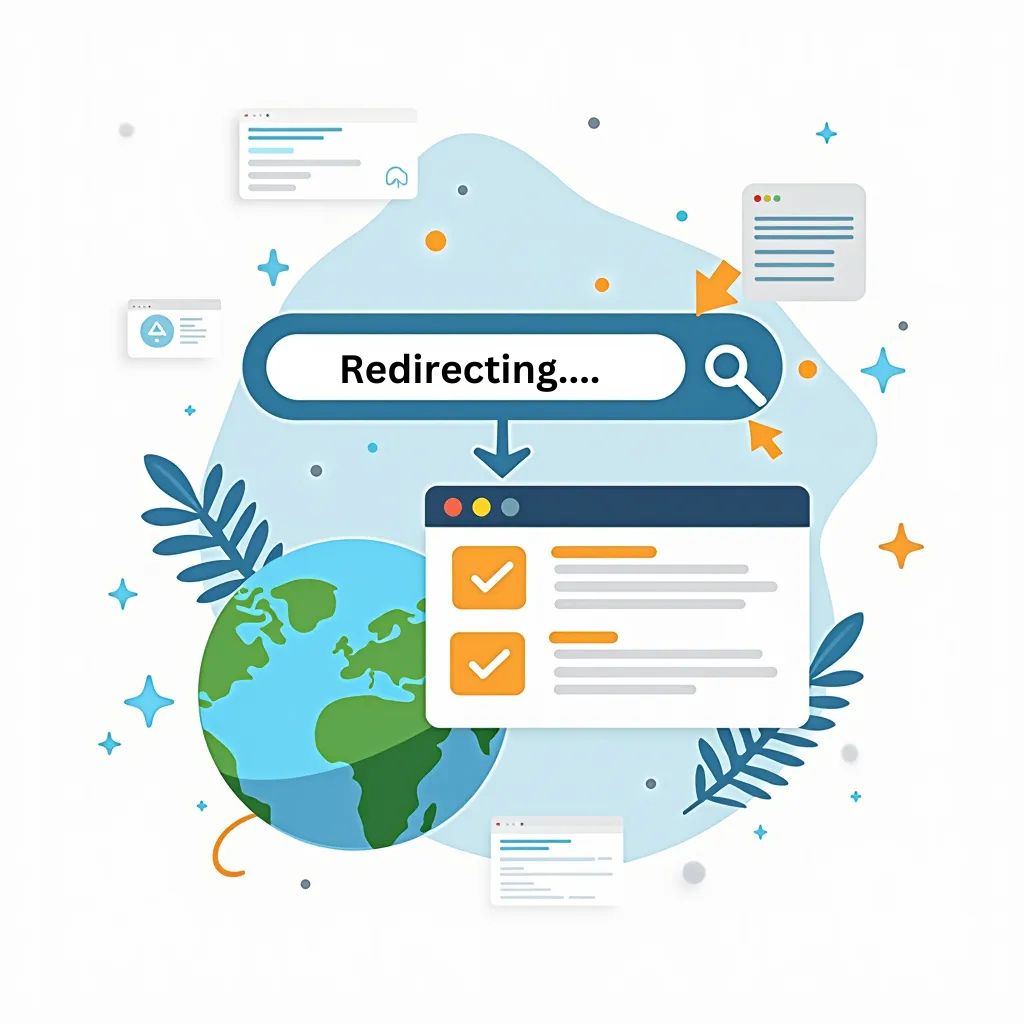
Redirection helps manage website structure and user experience. It redirects users and search engine crawlers from outdated or old URLs to new ones. This helps to prevent broken links and maintain website authority.
Sitemap
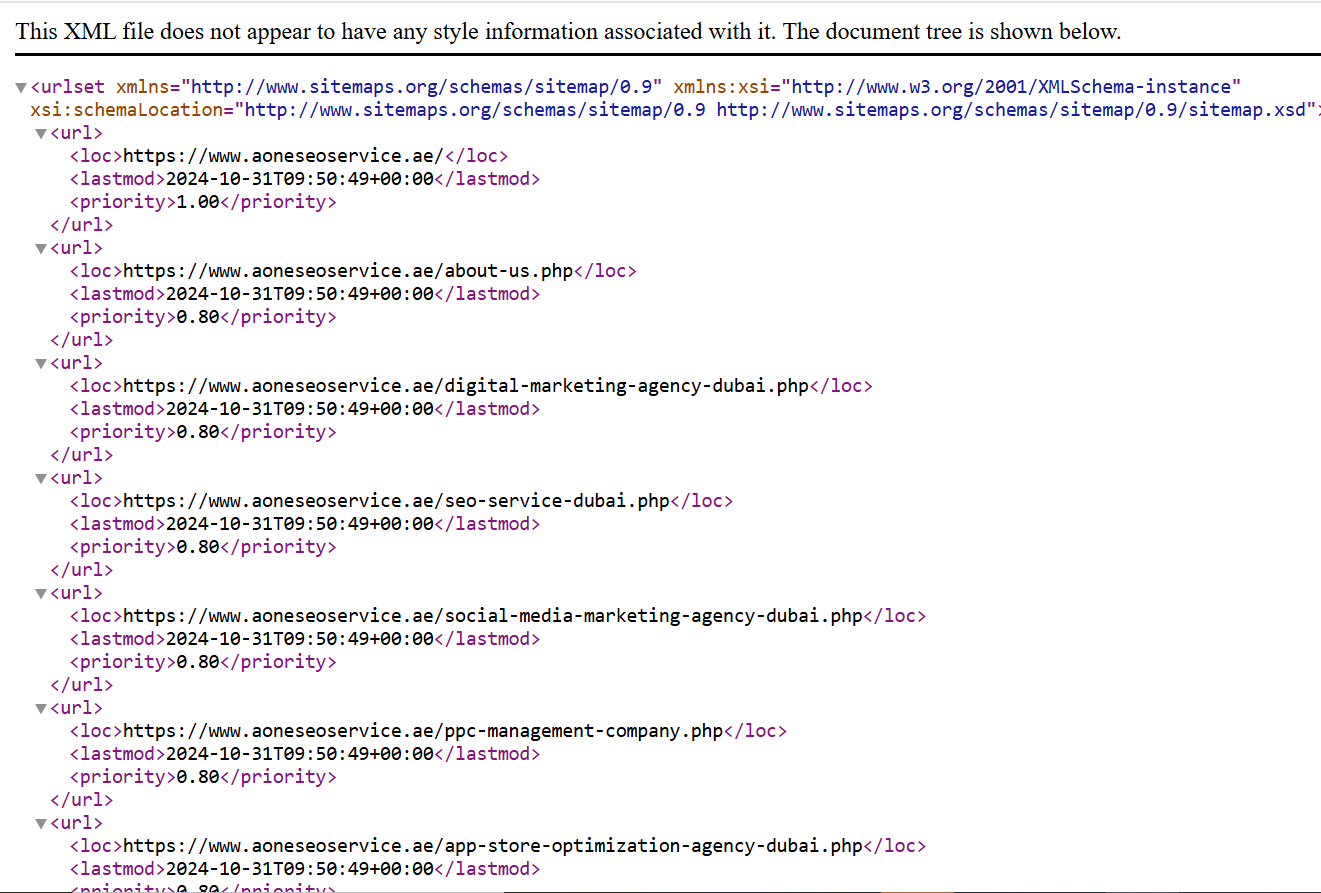
Submitting your sitemap to Google is a staple. An XML sitemap helps Google to find your webpage. It is a file that contains a list of essential pages on your website, which allows search engines to gauge which pages you have and where to find them.
Robots.txt
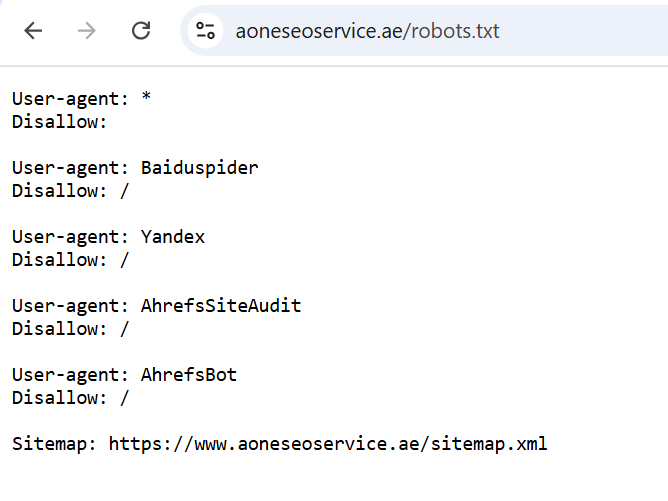
A robots.txt is a tool that acts as a set of instructions for search engine crawlers. It prompts Google to select which parts of the site it shouldn't access and which ones it should.
Canonical Tag
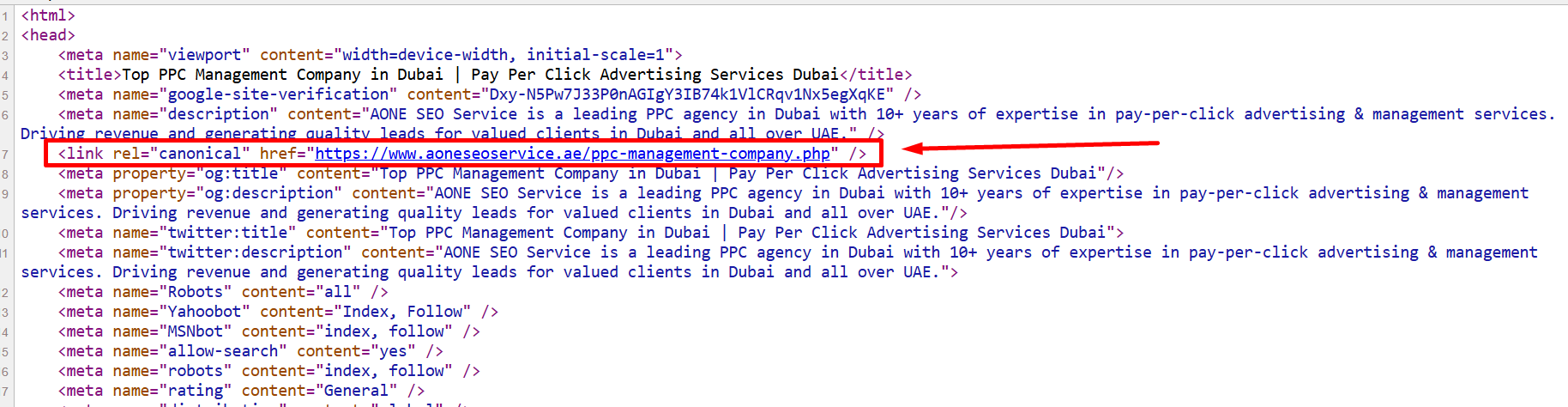
A canonical tag is an HTML element that prompts search engines regarding which version of the web page is the "master" or "preferred" copy. These tags help to control instances of duplicate content. Canonical tags tell the search engine that a specific URL represents the master copy and helps to prevent duplicate content.
Schema
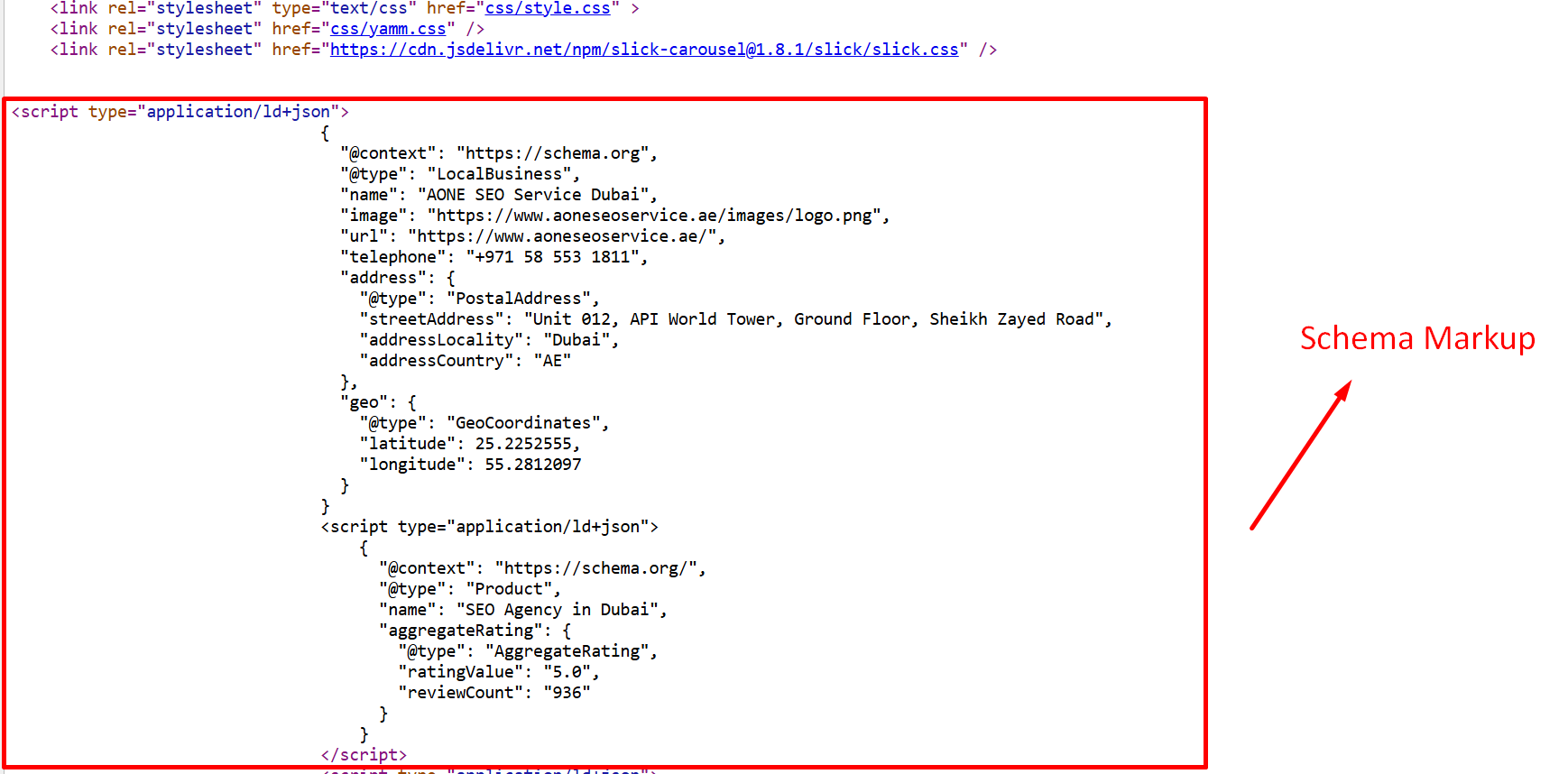
Schema markup is a code that helps Google understand a page's content better. You can also provide the nature of your content by adding specific tags to your HTML code. Using schema can give rich snippets to some of your pages.
Log File analysis
Log file analysis is a tool that provides insight into how search engine crawlers interact with your website. A log analysis tool enables logs to be analyzed by grouping information by "path," by file type, or by response time. It also allows joining information obtained from log files with other data sources
JavaScript Optimization
JavaScript impacts how search engines render, index, and crawl your site. JavaScript enhances user experience with interactive features and dynamic content. By optimizing JavaScript, you can improve a site's visibility and ranking.
Core Web Vitals
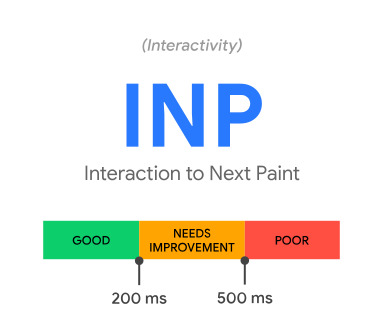
Core web vitals are the metrics used by Google to rate the user experience of a web page. The Largest Contentful Paint (LCP), Cumulative Layout Shift (CLS), and First Input Delay (FID) are three core web vitals.
Conclusion
From proper site structure to Core Web Vitals optimization, these are the exact strategies that helped our clients achieve the following:
- 117% more organic traffic
- 3.4x higher rankings
- 89% improvement in conversion rates
And now, it's time to put these strategies into action.
AONE SEO Service Dubai has helped 1,200+ websites improve their technical SEO. Get in touch with us to get the best SEO Services in Dubai.
Call us on 📞 +971 58 564 1811 , email us at info@aoneseoservice.ae Or contact AONE SEO Service Dubai here.